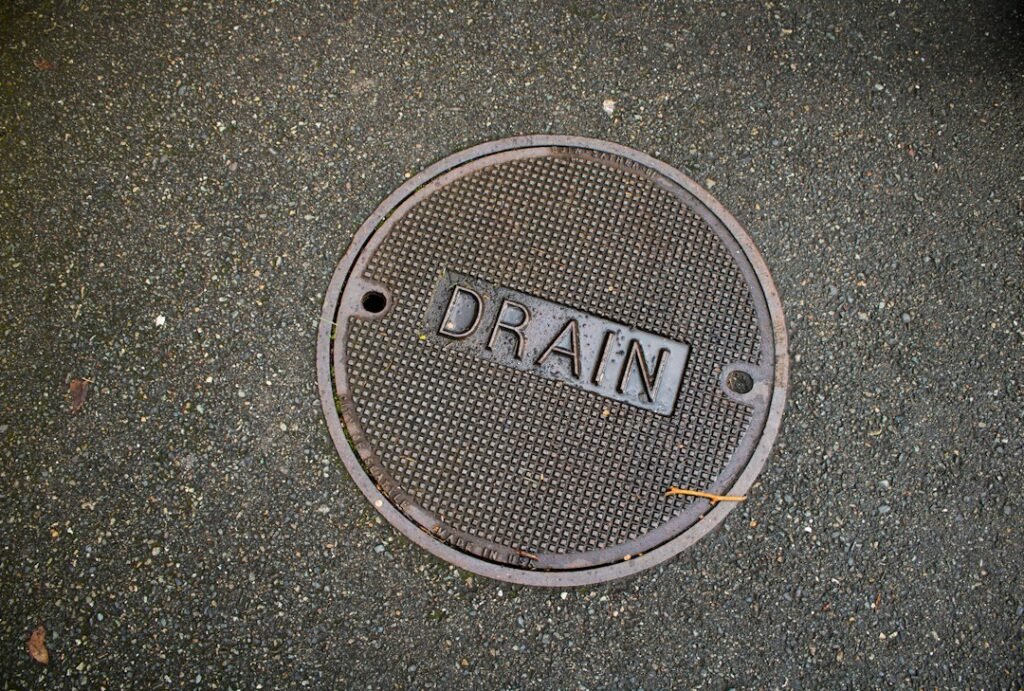
A bad smell coming from an outside drain is unpleasant, but it can also be a clue that something is not draining properly. The cause might be a simple build-up of waste, a dry trap or a problem with the pipework. The important thing is to look for other signs before deciding what to do next.
1. A partial blockage or build-up in the drain
Waste, grease, food residue and other debris can collect inside pipework and slow the flow of wastewater. A developing blockage may cause a foul smell before the drain stops working altogether.
Look for: slow-draining sinks or baths, gurgling sounds, water sitting in an outside gully, or several fixtures draining more slowly than usual. These signs together make a blockage more likely. Thames Water also lists bad smells and slow drainage among common signs of a blockage.
2. A dry trap or unused drain
Some drainage points use a water trap to help stop smells travelling back from the drainage system. If a fixture or floor drain has not been used for a long time, the water in its trap can evaporate. If the smell seems to come from one particular point and there are no signs of sewage or a blockage, this may be worth checking.
If you can safely identify an ordinary drain or fixture that has been unused, running water through it may refill the trap. Do not remove covers, reach into the drain or enter a chamber to investigate.
3. A problem with a gully, seal or pipework
A damaged cover, failed seal, displaced pipe joint or other defect can allow odours to escape. If the smell keeps returning after basic checks, or you can see damage, leaks or signs of settlement, the source may need a closer inspection by a drainage professional.
4. The smell is strongest after rain
Notice when the smell appears. If it coincides with heavy rainfall, water backing up, or pooling around an outside drain, there may be a drainage-capacity issue, a blockage or a wider surface-water or sewer problem. A smell alone cannot confirm the cause, so check for visible changes and avoid opening the chamber.
What can you safely check?
- Notice whether one drain or several fixtures are affected.
- Check whether sinks, baths and toilets are draining normally.
- Look from a safe position for standing water, an overflowing gully or visible damage.
- Ask neighbours whether they have similar problems, particularly if there is sewage outside or in the street.
- Keep children and pets away from wastewater and do not touch or try to clear sewage by hand.
- Avoid mixing drain-cleaning chemicals or using them as a substitute for finding a recurring fault.
When should you call a drainage engineer?
Arrange a professional inspection if the smell persists, blockages keep returning, water is backing up, or you suspect damaged pipework. A drain unblocking service can investigate likely blockages. Where the cause is unclear or a fault keeps coming back, a CCTV drain survey may help identify the condition of the pipework before repair options are considered.
If wastewater or sewage is escaping, avoid contact and report a suspected public-sewer issue to your water company. In the Wessex Water area, its guidance explains how to report flooding and pollution. Responsibility depends on the location and type of pipe, so do not assume every outside drain is the homeowner’s responsibility.
Frequently asked questions
Is a bad smell from an outside drain always a blockage?
No. A blockage is one possibility, but a dry trap, damaged seal or pipework defect can also allow smells to escape. Other symptoms help narrow down the likely cause.
Why does my outside drain smell like sewage?
A sewage smell may indicate trapped waste, a blockage, a failed trap or a leak. If you also see wastewater, an overflowing chamber or sewage in the garden or street, keep clear and report it promptly.
Can I pour bleach or drain cleaner down an outside drain?
Do not mix chemicals, and do not use strong chemicals to try to solve an unexplained or recurring smell. Follow product labels and seek professional advice if the cause is not clear.
Who is responsible for an outside drain?
It depends on the pipe and what it serves. A private drain serving only your property may be your responsibility, while shared drains and public sewers can fall under the water company. Check your local water company’s guidance if you are unsure.
Need help with a smelly or slow outside drain?
Prime Drainage Solutions helps homeowners, landlords and property managers with drainage problems across Dorset, Hampshire and the surrounding South of England. If the smell is persistent or accompanied by slow drainage, recurring blockages or signs of a leak, contact our team to discuss the next step.
Further guidance: Wessex Water: blocked drains · Wessex Water: report a flood · Thames Water: blockages.