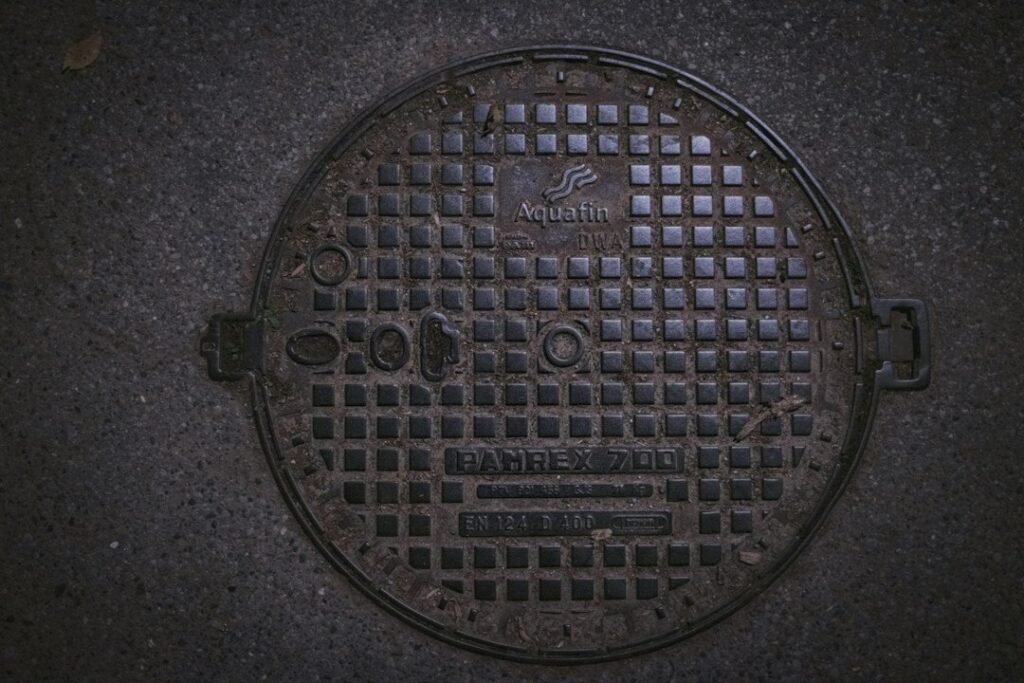
A slow-draining sink, a toilet that keeps blocking or an unpleasant smell outside can be signs that something is restricting your drainage. Some simple blockages can be dealt with safely at home, but recurring problems or wastewater coming back into the property need more attention.
At Prime Drainage Solutions, we help homeowners and property managers with drainage problems across Bournemouth, Poole, Christchurch and surrounding Dorset. If you need help with a blocked drain in Bournemouth, a blocked drain in Poole or an urgent drain blockage, our service pages explain how we can help. This guide covers common causes, safe checks and when to call a drainage professional.
What are the first signs of a blocked drain?
- Water draining more slowly than usual from a sink, bath or shower.
- Gurgling sounds from plugholes or toilets.
- Unpleasant smells coming from indoor waste pipes or outside drains.
- Water rising unusually high in a toilet after flushing.
- Water or wastewater appearing around an outside inspection chamber.
- More than one fixture draining slowly at the same time.
One slow sink may point to a local waste-pipe blockage. If several fixtures are affected together, the restriction may be further along the drainage system. These signs do not prove the exact cause, but they help you decide what to check next.
7 common causes of blocked drains
1. Fat, oil and grease in kitchen pipes
Cooking fat and oil can cool, stick to pipe walls and build up over time. Food scraps can become trapped in that residue, gradually restricting the flow. Hot water and washing-up liquid do not reliably prevent grease from building up further along a cooler pipe.
What to do: let cooking fat cool, collect it in a suitable container and put it in the bin or follow your local council’s disposal guidance. Wipe greasy pans with kitchen roll before washing and use a sink strainer to catch food scraps. Water UK has more advice on keeping fats out of drains.
2. Wet wipes and other items flushed down the toilet
Toilets and sewer systems are not designed to handle wet wipes, sanitary products, cotton buds or similar items. Even wipes marketed as flushable can contribute to blockages. A useful rule is to flush only pee, poo and toilet paper; put other products in the bin.
Read the guidance from Thames Water on blocked drains for more information on common causes and prevention.
3. Hair, soap residue and build-up in bathroom wastes
Hair can tangle with soap residue and other debris in shower, bath and basin wastes. If just one fixture is slow, the obstruction may be close to its plughole or trap.
What to do: remove visible debris from the plughole and clean a removable strainer if you can do so safely. Follow the fitting manufacturer’s instructions. Avoid mixing chemical drain cleaners or using them alongside other cleaning products, as this can release dangerous fumes or cause splashes.
4. Leaves, silt and debris in outside drains
Outside gullies and surface-water drains can collect leaves, mud and garden debris, particularly after windy weather or heavy rain. If water pools around a gully, check from a safe position whether the visible grate is covered with leaves.
Only remove loose surface debris you can reach safely. Do not enter a drain or manhole, lift heavy covers, or reach into a chamber where the water level is high. If the water remains standing or repeatedly backs up, the blockage may be further down the pipe.
5. Tree roots entering a drain
Roots can find their way into existing cracks or joints in underground drainage pipes. As they grow, they can catch debris and restrict the flow. Root ingress is one possible explanation when an outside drain keeps blocking, especially where the same section causes repeated trouble.
Clearing the obstruction may restore flow, but it may not resolve the defect that allowed roots to enter. A CCTV drain survey can help establish what is happening inside the pipe and whether repair or relining should be considered. The right recommendation depends on the condition of the pipe, not simply on the fact that it has blocked.
6. A cracked, displaced or collapsed pipe
Underground pipes can become damaged or misaligned over time. A damaged section may catch waste and silt, cause recurring blockages or allow water to escape into the surrounding ground. You cannot reliably confirm a structural defect from the surface alone.
If the same drain repeatedly blocks after it has been cleared, ask whether inspection is appropriate before paying for another clearance. A CCTV survey can show the internal condition of accessible pipework and help inform the next step.
7. A blockage further along the shared or main drain
If toilets, sinks or other fixtures in different parts of the property are affected at once, the problem may be beyond an individual waste pipe. Wastewater coming back through a low-level fixture or rising in an inspection chamber is a warning sign that needs prompt attention.
Stop using affected fixtures, keep people and pets away from wastewater and do not open or enter a chamber. Contact your water or sewerage company if you suspect a public sewer issue, and arrange a qualified drainage professional where the problem may be on your private drainage.
What can you safely try before calling a drainage engineer?
- Check whether one fixture or several are affected. This can help narrow down where the restriction may be.
- Remove visible debris from a plughole or grate only where it is safe and easy to reach.
- Use a suitable plunger for a minor local blockage and follow the product or fixture instructions.
- Stop if wastewater backs up, the water level rises or the blockage returns. Repeated attempts can make an overflow worse.
- Never mix drain-cleaning chemicals or enter a drain, sewer or inspection chamber.
When should you get professional help?
Contact a drainage professional promptly if wastewater is backing up, an outside inspection chamber is overflowing, several fixtures are affected, or the same drain keeps blocking after it has been cleared. If there is active sewage flooding, keep clear of the affected area and seek urgent assistance.
Where a blockage keeps returning, a CCTV drain survey may be useful to check for roots, damaged pipework, displaced joints or other restrictions. If a defect is found, our drain repair service may be relevant, depending on the location and findings. The right solution depends on the inspection; not every blockage needs a repair or a new liner.
Who is responsible for a blocked drain?
In England, responsibility depends on the pipe and where it runs. Homeowners are generally responsible for private drains serving their property, while water companies usually maintain public sewers and many shared drains; exceptions can apply. Before arranging potentially costly work, check the rules with your local sewerage provider: Wessex Water explains sewer pipe responsibility, and Thames Water explains how to identify and report a blockage. You can also read Citizens Advice’s guide to drain and sewer responsibility in England.
Need help with a blocked drain in Dorset?
If your drain is slow, blocked, smells unpleasant or keeps backing up, Prime Drainage Solutions can help investigate the problem. We serve Bournemouth, Poole, Christchurch and surrounding areas — see our drainage areas we cover. Our services include drain unblocking, drain repairs and CCTV drain surveys.
Call Prime Drainage Solutions on 03300 432648 to discuss the symptoms and the next sensible step, or contact our team online.
Advice in this article is general. The cause of a drainage problem cannot always be confirmed without inspection. If wastewater is entering the property, avoid contact and seek prompt professional help.
Sources and further reading
- Wessex Water: Signs of a blocked drain and what to do
- Wessex Water: How to avoid blockages
- Thames Water: Blockages and blocked drains
- Thames Water: Fats, oils and grease
- Citizens Advice: Drain and sewer responsibility in England
- Google Search Central: Creating helpful, reliable, people-first content